
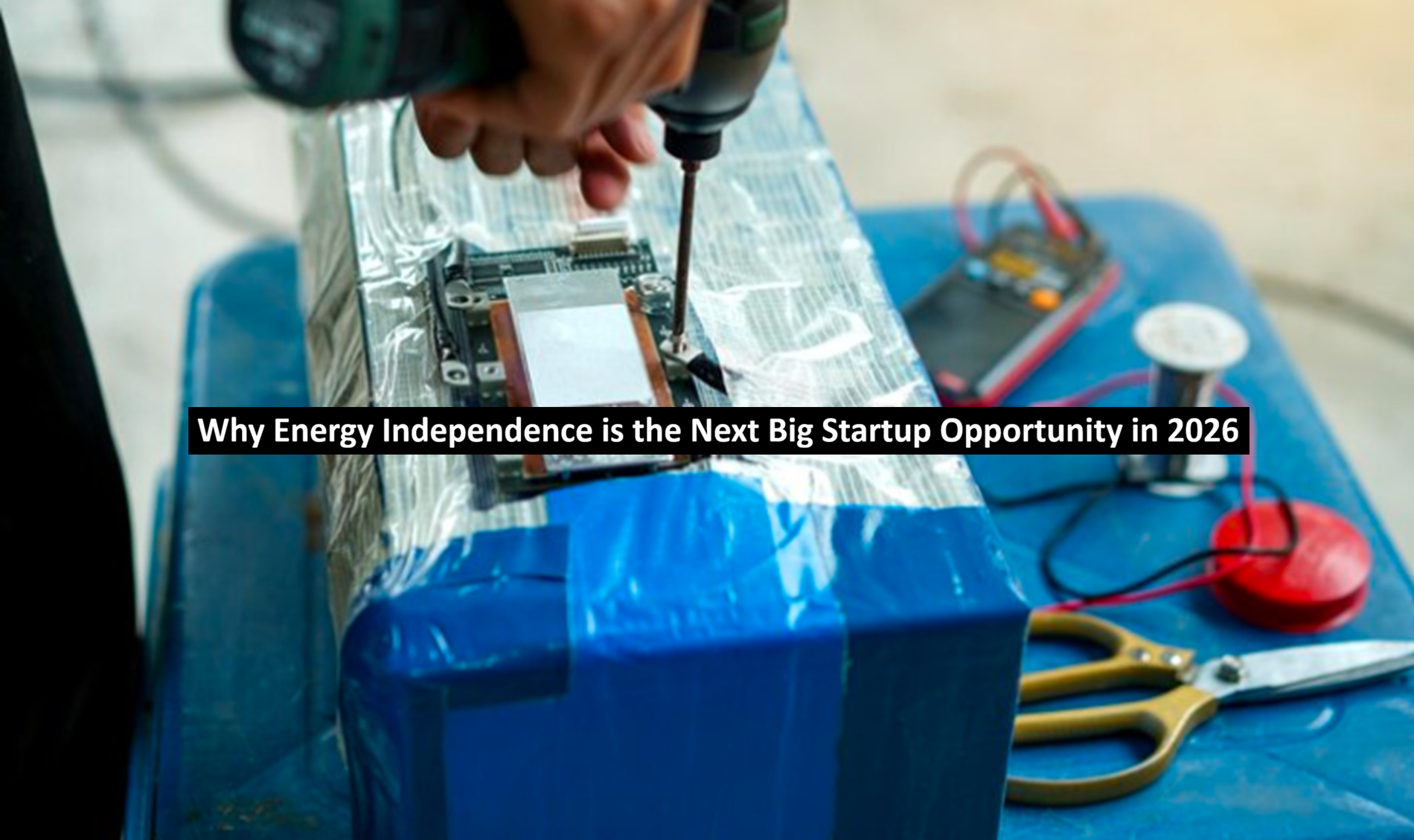
Energy perks evolving with sheer potential in 2026 is not a fancy prediction. The shift is already showing up in ordinary places. Higher power bills. Backup plans that used to be optional. Factory floors that cannot afford downtime. Farms that depend on steady supply. Small businesses that lose money the moment the lights go out. Energy is no longer just another monthly cost. To say more, it’s becoming a serious planning issue and that gives founders a real opening to build solutions that make power feel more reliable, manageable and affordable.
What Does Energy Independence Mean in 2026?
Energy independence used to sound like a national policy phrase. Big grids. Big targets. Big speeches.
In 2026, it feels much closer to daily life.
For a homeowner, it may mean storing solar power for evening use. For a shop, it may mean keeping card machines and lights running during an outage. For a farm, it may mean protecting refrigeration, water systems or equipment. For a manufacturer, it may mean avoiding shutdowns when electricity prices spike or supply becomes unstable.
That is the practical meaning now. Not total separation from the grid. Not a romantic off-grid dream. More control.
Most people will still use the grid. They just do not want to be helpless when it struggles. They want storage. They want backup. They want better visibility over usage. They want systems that keep working when the old setup feels stretched.
This is why energy independence is becoming such a strong business idea. It speaks to fear, cost, reliability and control at the same time.
A product that solves only one of those issues may get attention. A product that touches all four can build a market.
Read: AI Research Gear (Entire List of All AI Gear Used in Studies)
Why Energy Independence Is a Massive Startup Opportunity?
The timing is doing a lot of the work.
Electric vehicles are growing. Homes are using more connected devices. Businesses depend on digital systems all day. Warehouses, clinics, data-heavy offices and food businesses all need power that does not blink at the wrong moment.
At the same time, many buyers are confused. They know energy matters. They may even know they need solar, storage, backup or monitoring. No less, they most likely do not know how to choose, how much to spend or who to trust.
That confusion is where startups can enter.
A young company does not need to compete with national utilities head-on. It can solve a narrower problem better. It can help small businesses understand energy waste. It can make battery storage easier to buy. It can offer maintenance for systems people already own. It can create financing that turns a large upgrade into something manageable.
Some of the best opportunities are not glamorous. They are useful.
A restaurant wants cold storage protected. A clinic wants systems running during a cut. A small warehouse wants lower peak charges. A homeowner wants a battery that does not require a technical manual to understand.
Startups that make energy less intimidating will stand out. The market has enough technology. It needs clearer offers, better service and less confusion.
That is often where smaller companies win.
Key Areas Where Energy Independence Startups Are Thriving
Energy independence is not one lane. It is a cluster of problems sitting around power generation, storage, usage, repair and planning.
The most promising startup areas are close to real pain. Not vague future demand. Real problems that customers already feel.
Strong areas include:
• Home battery storage with simple monitoring
• Solar storage packages for homes and small firms
• Backup power for shops, clinics and warehouses
• Smart meters with plain usage advice
• EV charging systems that avoid overload
• Microgrids for farms, campuses and remote sites
• Battery testing, repair and reuse
• Energy audits with simple upgrade plans
• Financing for storage and efficiency upgrades
The service side deserves special attention. A customer may buy a battery once, but they will need help for years. They may need performance checks, usage alerts, maintenance, replacement planning or someone to explain why output has dropped.
That ongoing support can become a business on its own.
Second-life batteries are another quiet opportunity. As electric vehicles and storage systems age, many batteries will still have usable capacity left. Some may not suit a vehicle anymore, but they can work in less demanding storage roles. That creates space for testing companies, refurbishment teams, local repair providers and recycling networks.
The founder who understands the full battery life cycle may see value others miss.
What Entrepreneurs Need to Know Before Entering This Space?
Energy independence is attractive, but it is not a light market. It touches safety, regulation, property, insurance and long-term trust.
A founder needs to choose the business model carefully. Hardware is not the same as software. Installation is not the same as maintenance. Financing is not the same as consulting. Each path has different margins, risks and pressure points.
Trying to offer everything too soon can weaken the business before it finds its place.
The customer also needs to be clear. A family worried about outages has different needs from a factory manager watching production costs. A farm owner thinks differently from a landlord. A clinic has a different level of risk compared with a small office.
That is why founders should slow down before building too much. Define the buyer. Define the pain. Define the promise. Clear business goals can stop an energy idea from becoming too broad too early.
Plain language also matters more than many technical founders expect. Energy buyers often hear terms like inverter, load, kilowatt-hour, grid-tied system and battery cycle, then switch off.
The best startups will not make customers feel behind. They will explain what the system does, what it costs, what it cannot do and what support comes after the sale.
In this market, trust is not extra. It is the product.
Challenges Startups Must Prepare For
Equipment prices can move. Battery supply can tighten. Skilled installers may be hard to find. Permits can drag. Customers may love the idea until the upfront cost appears. Businesses may take months to approve a purchase even when the need is obvious.
There is also the problem of expectations. Energy independence sounds powerful, so some customers may expect too much. They may think one battery can run everything for days. They may assume solar always cuts bills in the same way. They may expect backup power without understanding load limits.
Startups need to be direct about these things.
A strong company will prepare for:
• Long buying decisions
• Local rules and approvals
• Safety standards for batteries
• Installation delays
• Warranty questions
• Insurance concerns
• Customer education
• Ongoing service demands
This is where sharper decision-making skills matter. Founders need to know when to pause, narrow the offer or adjust the model before costs start running ahead of the idea.
The sale should not be built on fear. It should be built on clarity.
A good founder will tell customers what the system can handle. A better founder will also explain what it cannot handle. What’s more, this sort of factor may slow a sale with the wrong buyer, but it builds trust with the right one.
Energy products live with the customer for years. If support is weak, the brand suffers quickly. If maintenance is ignored, performance drops. If savings are oversold, confidence disappears.
This is why the winning startups will treat service as part of the offer from day one.
Conclusion
Energy independence is becoming one of the strongest startup openings of 2026 because people want power that feels less fragile. The best founders will not only sell panels, batteries or software. They will remove confusion and make control feel practical. From backup systems to storage planning and custom battery pack replacements, the real opportunity is helping people depend less on uncertain power without adding more complexity to their lives.